
Massive salp colonies are invading the Northern Adriatic

In early July, an article on a local newspaper[1] attracted the attention of Bluefarm. The article , based on an interview with Alessandro Ferro, the President of the fishermen cooperative “Pilamare”, described the unprecedented occurrence of the massive presence of “gelatinous organisms” in the fishery area targeted by Pilamare operators, see Fig. 1.
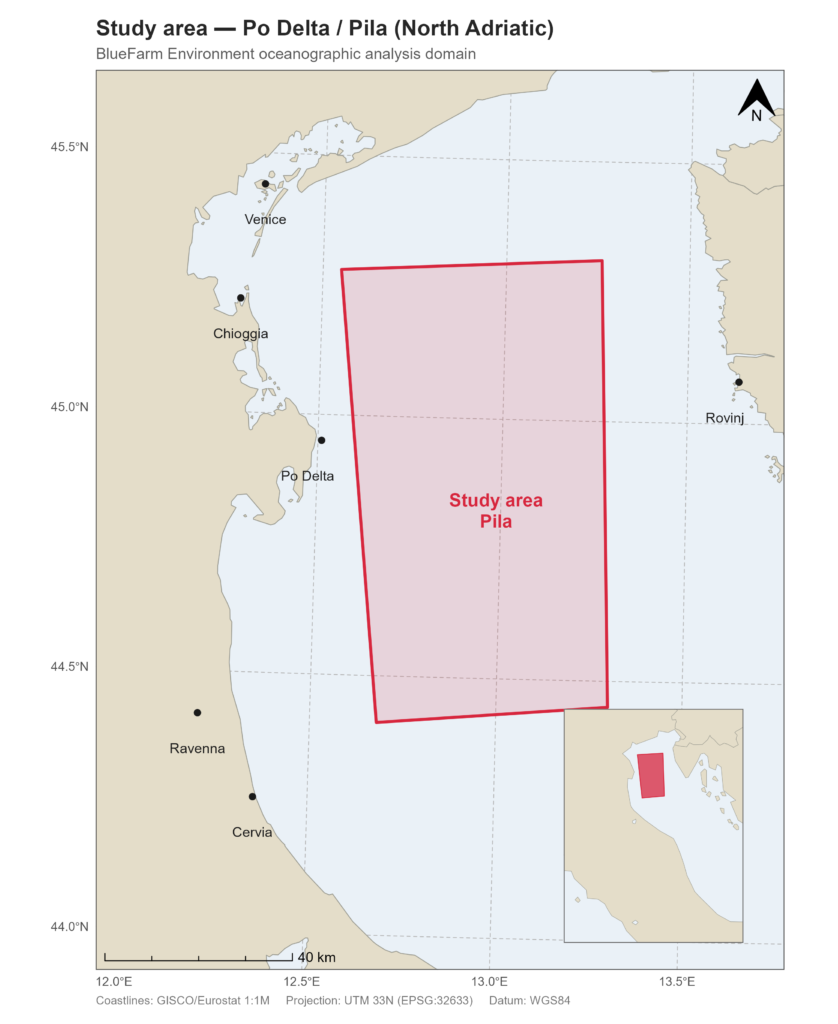
Fig. 1. Fishery area targeted by Cooperativa Pilamare fishermen.
The biomass was so high and the presence so widespread the fishermen decided to stop fishing small pelagics, e.g. sardines and anchovies, as the nets were either clogged or broken. The sea wallnut (Mnemiopsis leidyi), one of the Non-indigenous Invasive Species investigated in the ALIENA project, was mentioned as one of the species accounting for to the gelatinous biomass: therefore Bluefarm researchers approached Alessandro and met him and the fishermen operators in Pila on July 13th.
Evidence of the presence of gelatinonous macrozooplaancton presented by the fishermen were impressive but a quick look at collected samples revealed that, this time, the sea walnut was not the culprit: what forced to stop the fishery activity was the massive presence of a salp species.
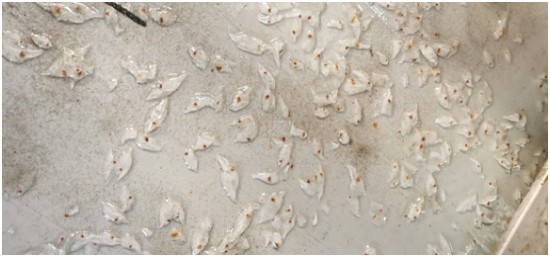
Fig. 2. Salp samples collected by Pilamare fishermen.
Salps are cosmopolitan but are relatively uncommon in the Adriatic: they are filter feeders which feed on phytoplankton and could form large colonies when food is abundant.
- What caused their massive demographic explosion in 2026?
- Can this be related to this summer heatwaves? Preliminary results of a reanalysis of Sea Surface Temperature in the area shown in Fig. 1, based on data extracted from the Copernicus Marine Service portal indicates that the average temperature in June 2026 approached 30 °C, to be compared with a climatological value of 25 °C.
- Which could be the effect of such a large scale proliferation on the Adriatic ecosystem?
Answering these questions could be vital also for the small pelagic fishery in the Adriatic: the ALIENA project, funded by the Interreg Italy-Croatia Programme, is working on that.
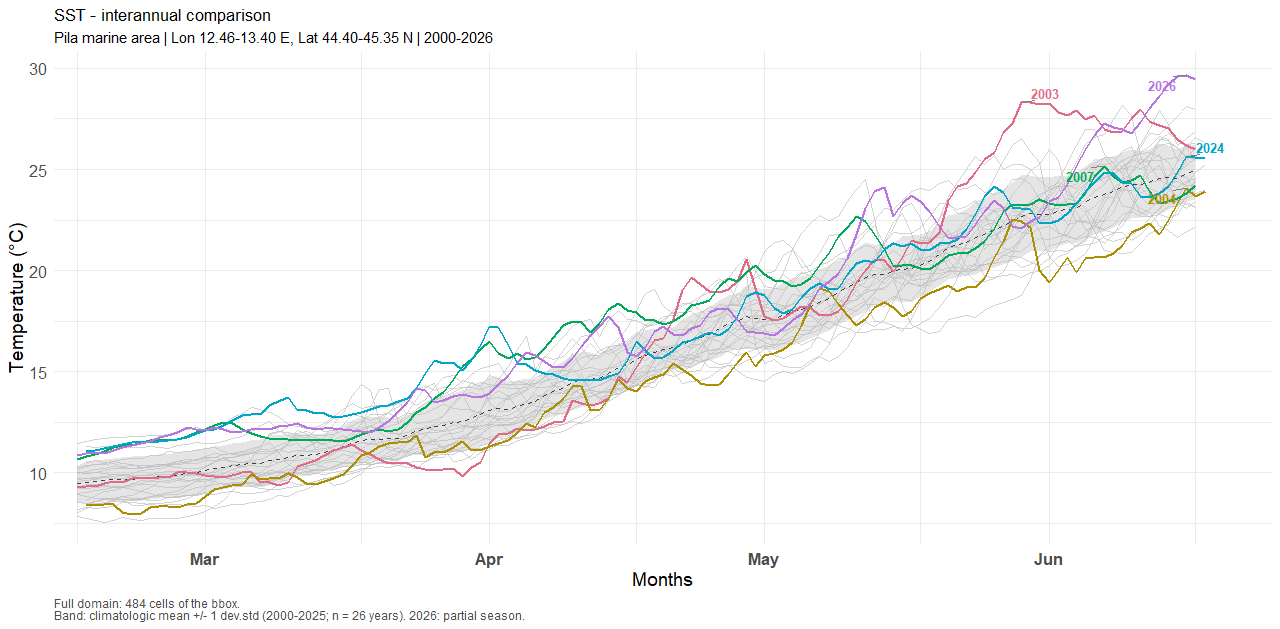
Fig. 3. Evolution of the average Sea Surface Temperature (SST) in the area represented in Fig. 1 in spring- early summer. In June 2026, purple line, a record value close to 30°C was observed, nearly 5 °C higher than the climatological value of 25°C, black dotted line, estimated for the years 2000-2026.
[1] https://www.rovigo.news/cambiamento-climatico-il-mare-si-ferma-invasione-di-organismi-gelatinosi-blocca-la-pesca-del-pesce-azzurro/